

Lovable apps aren't enough.
Build solid tools.

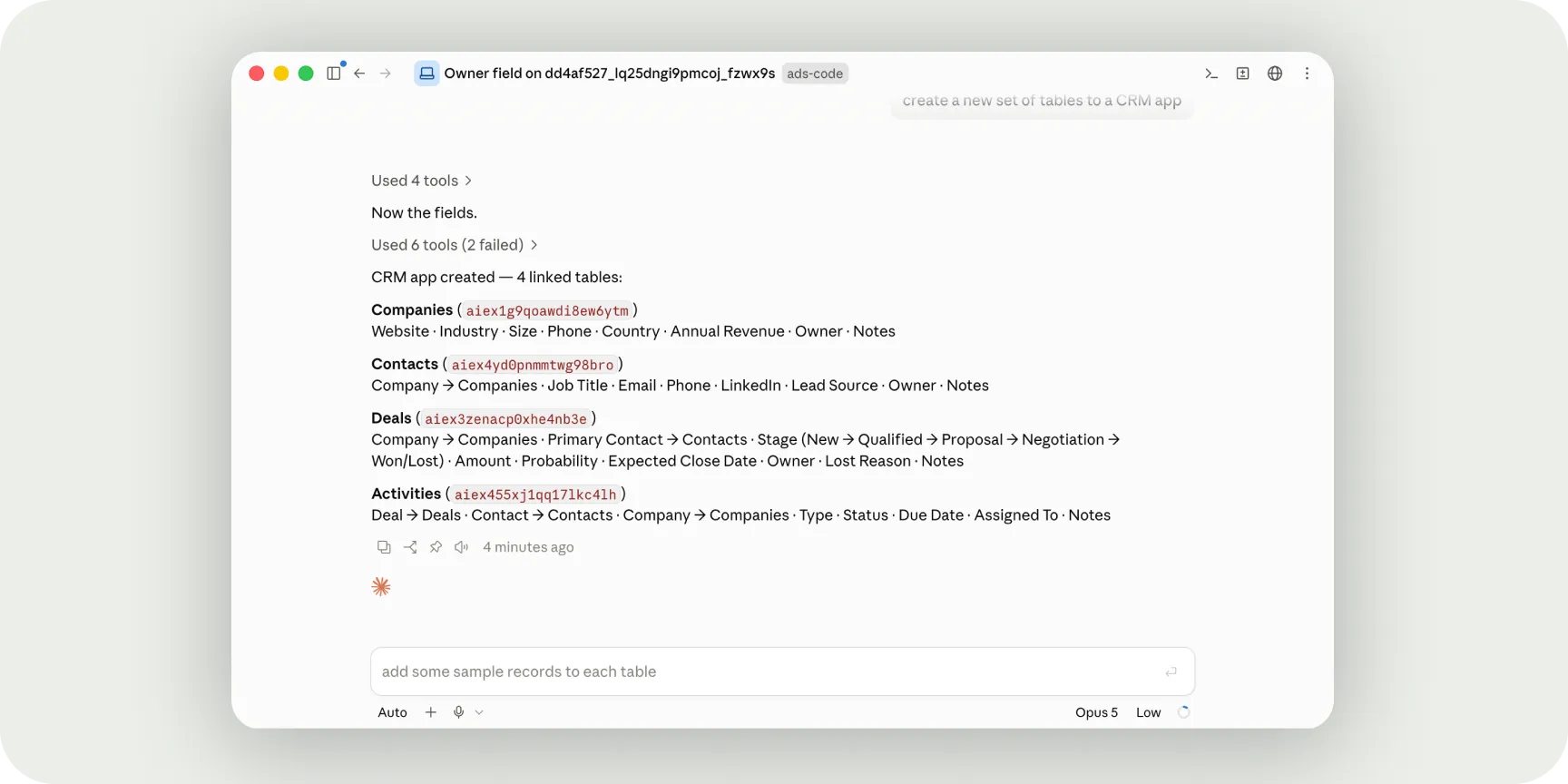
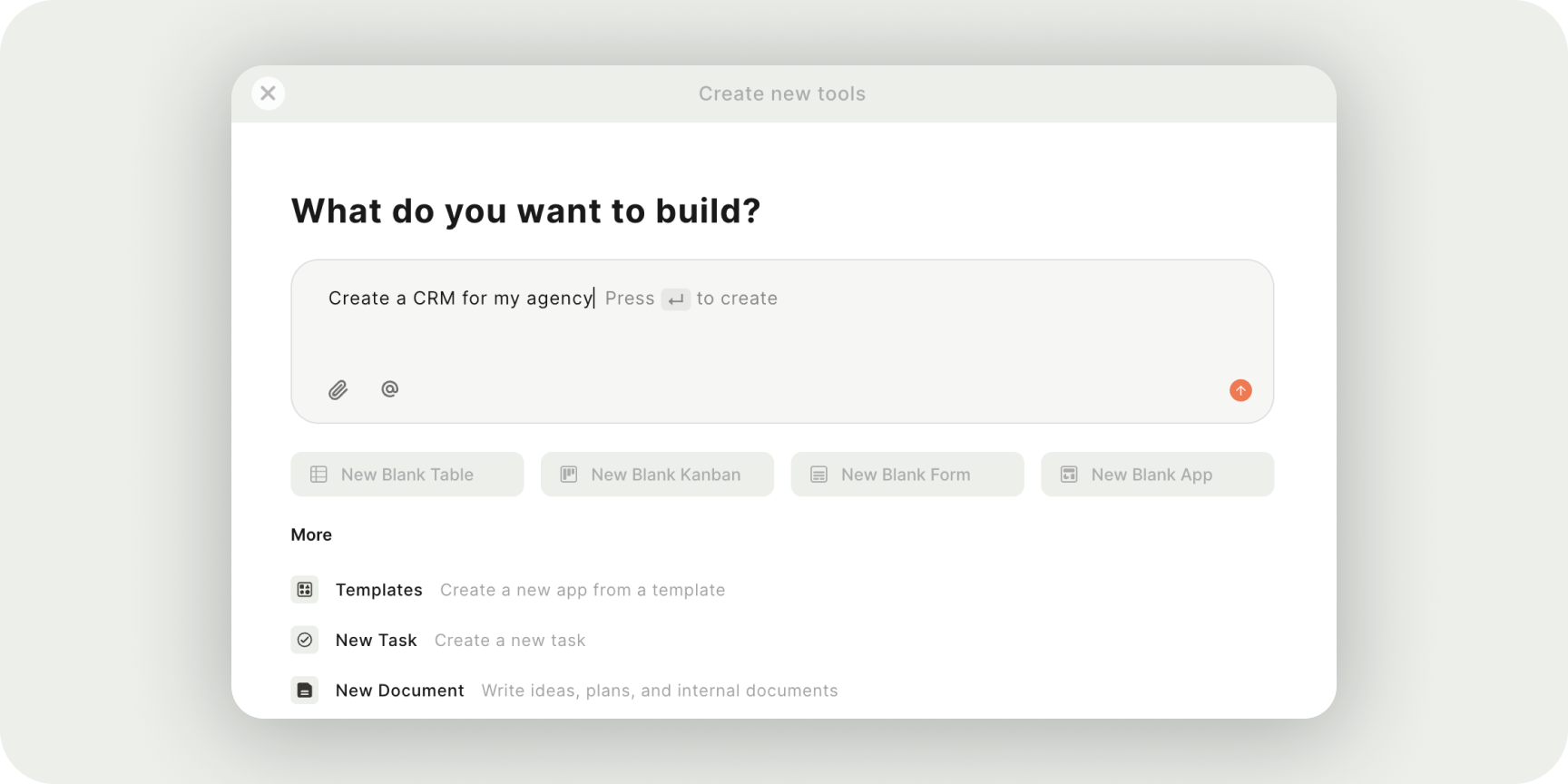
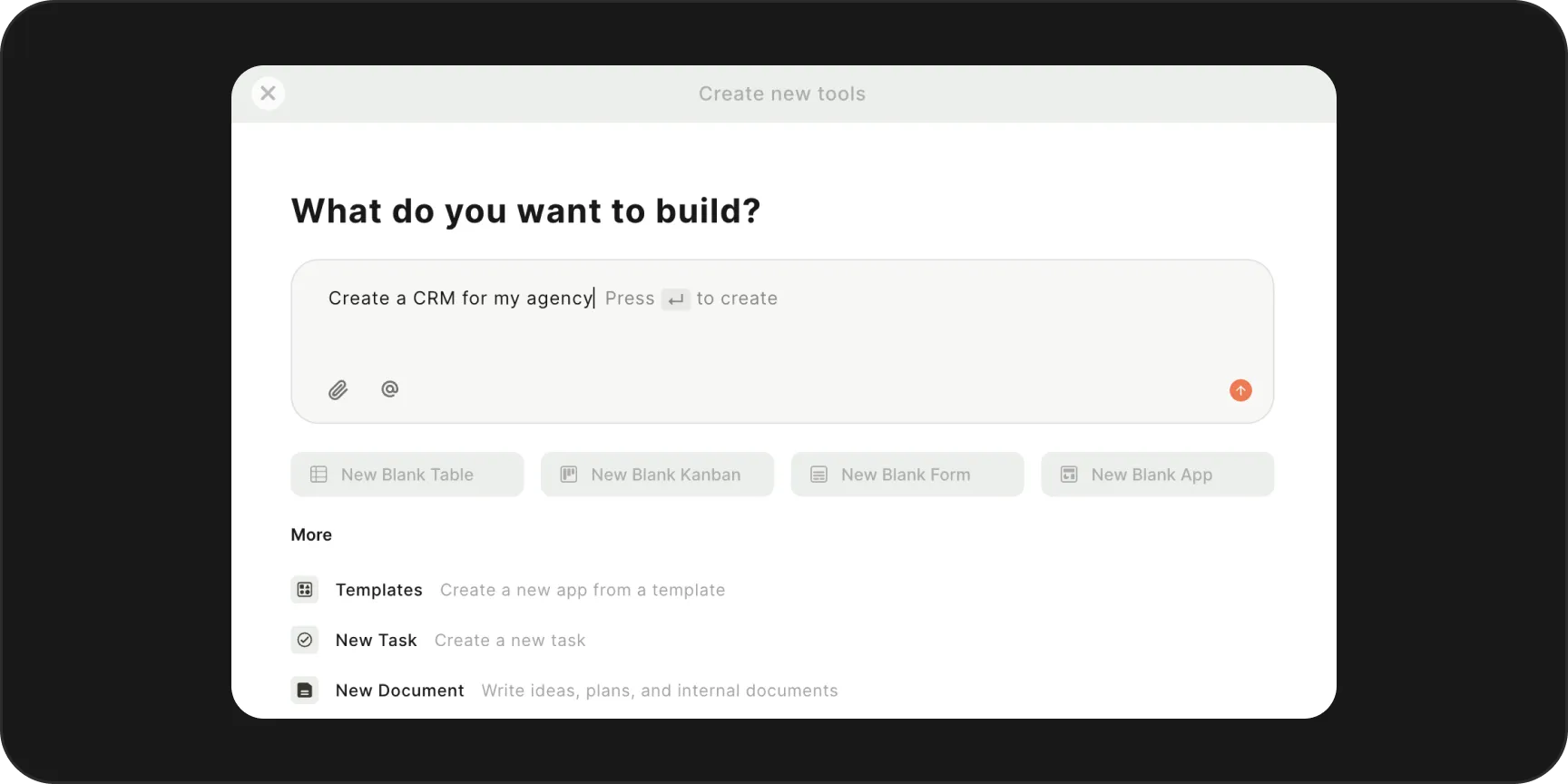
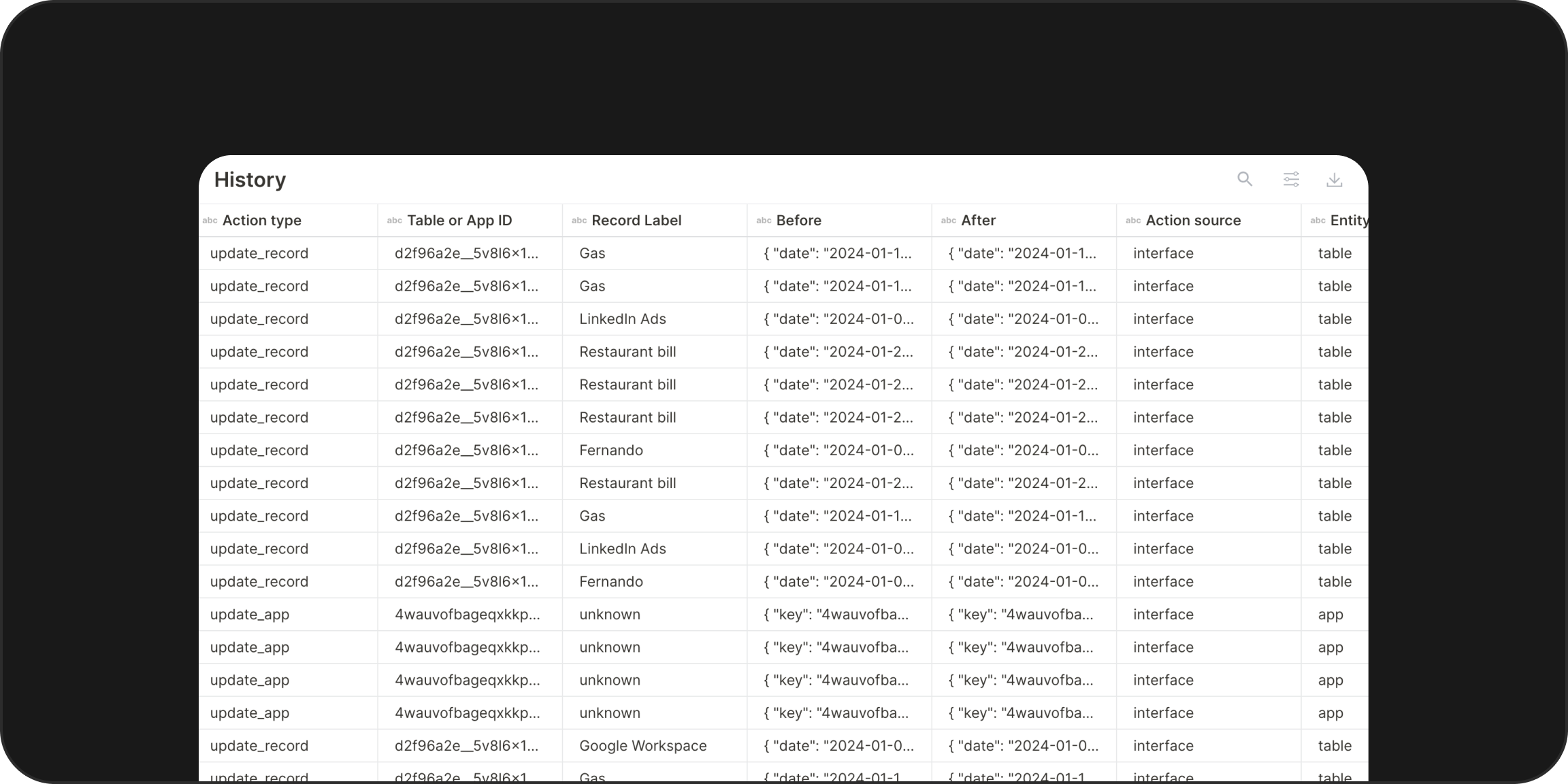
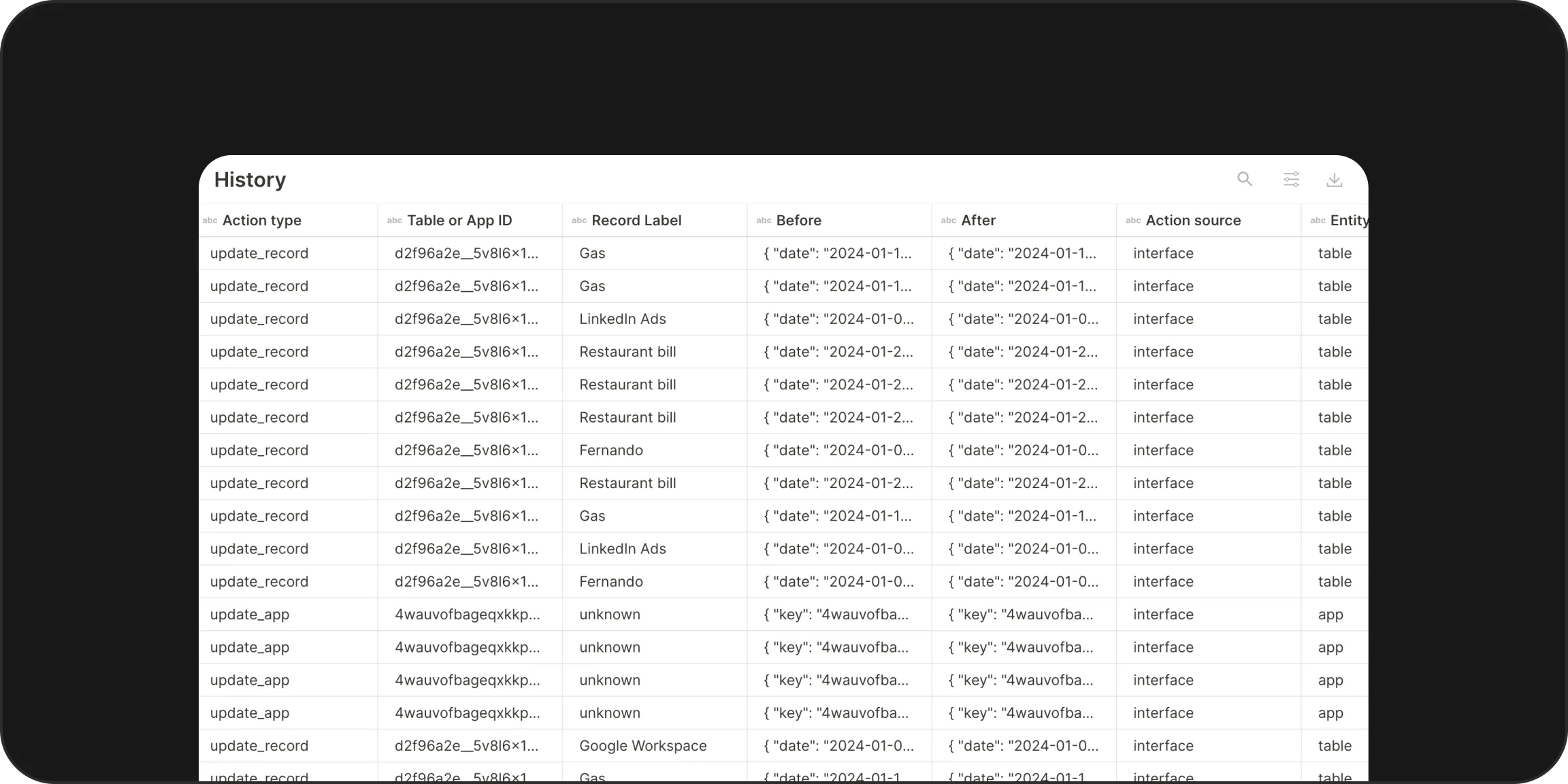
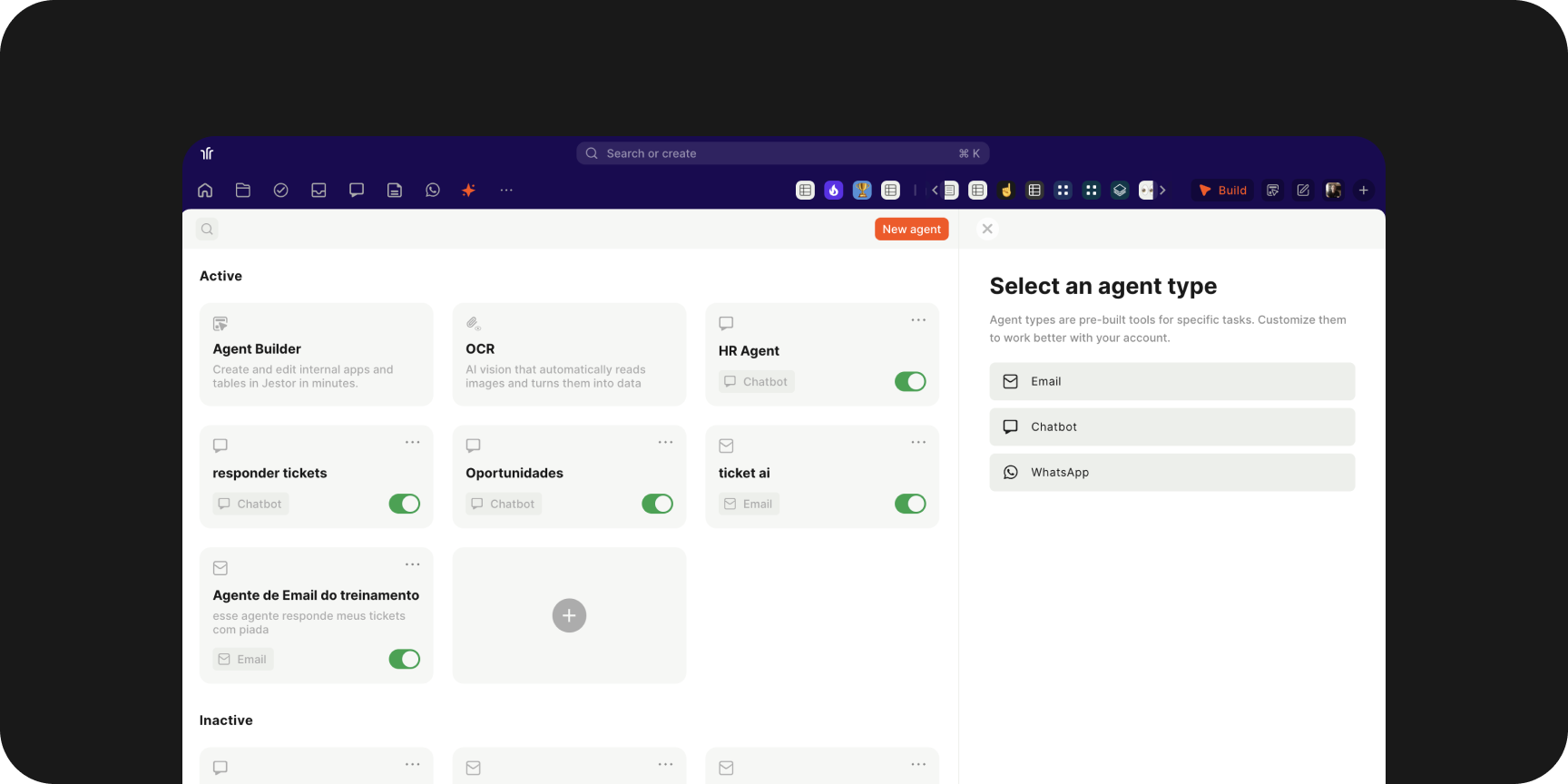
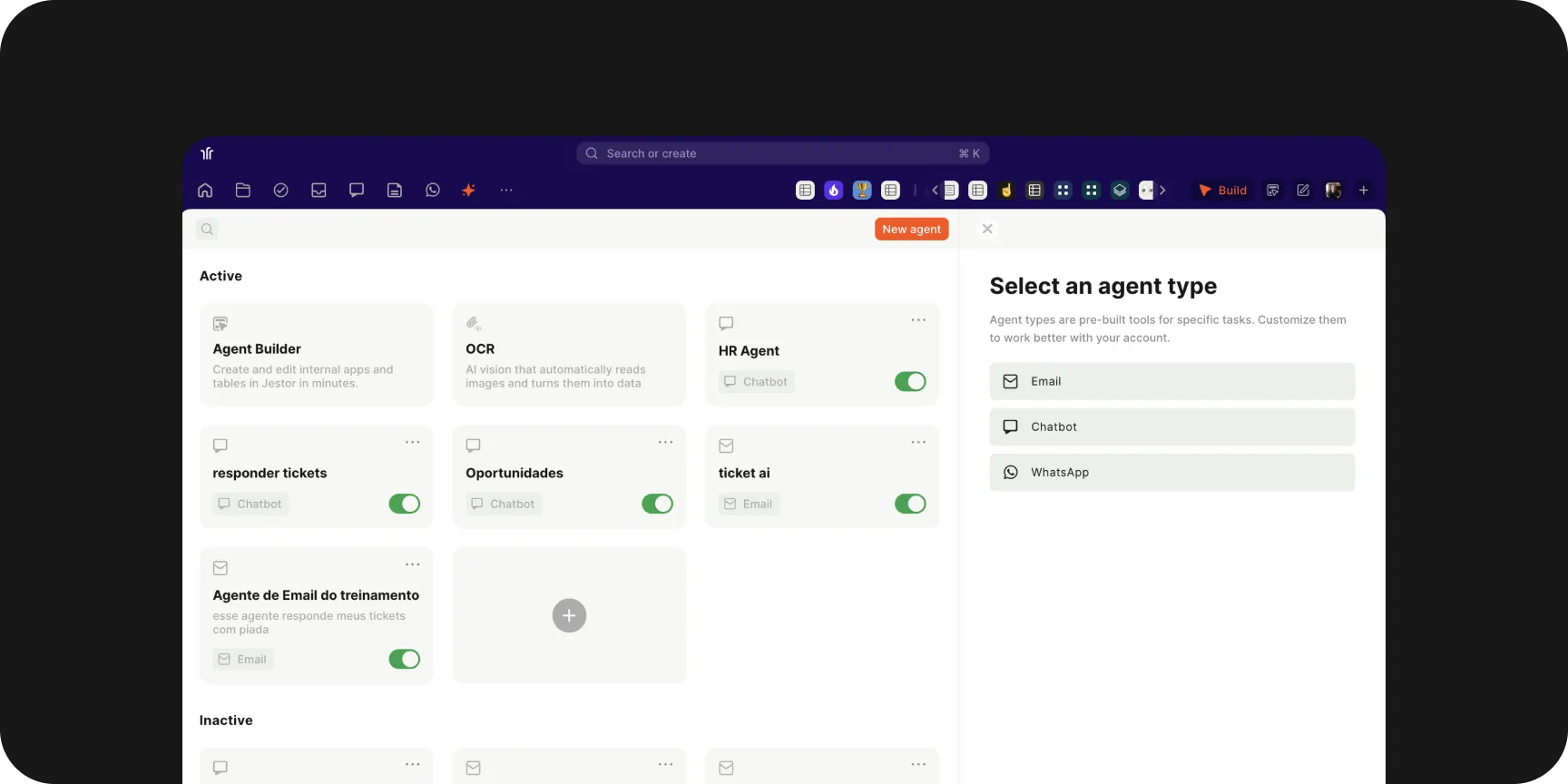
Tables, permissions, automations, and apps, built from your own AI or from a prompt. One database underneath. Your permissions. Every change logged. Works with Claude, ChatGPT, Cursor, and any MCP client.

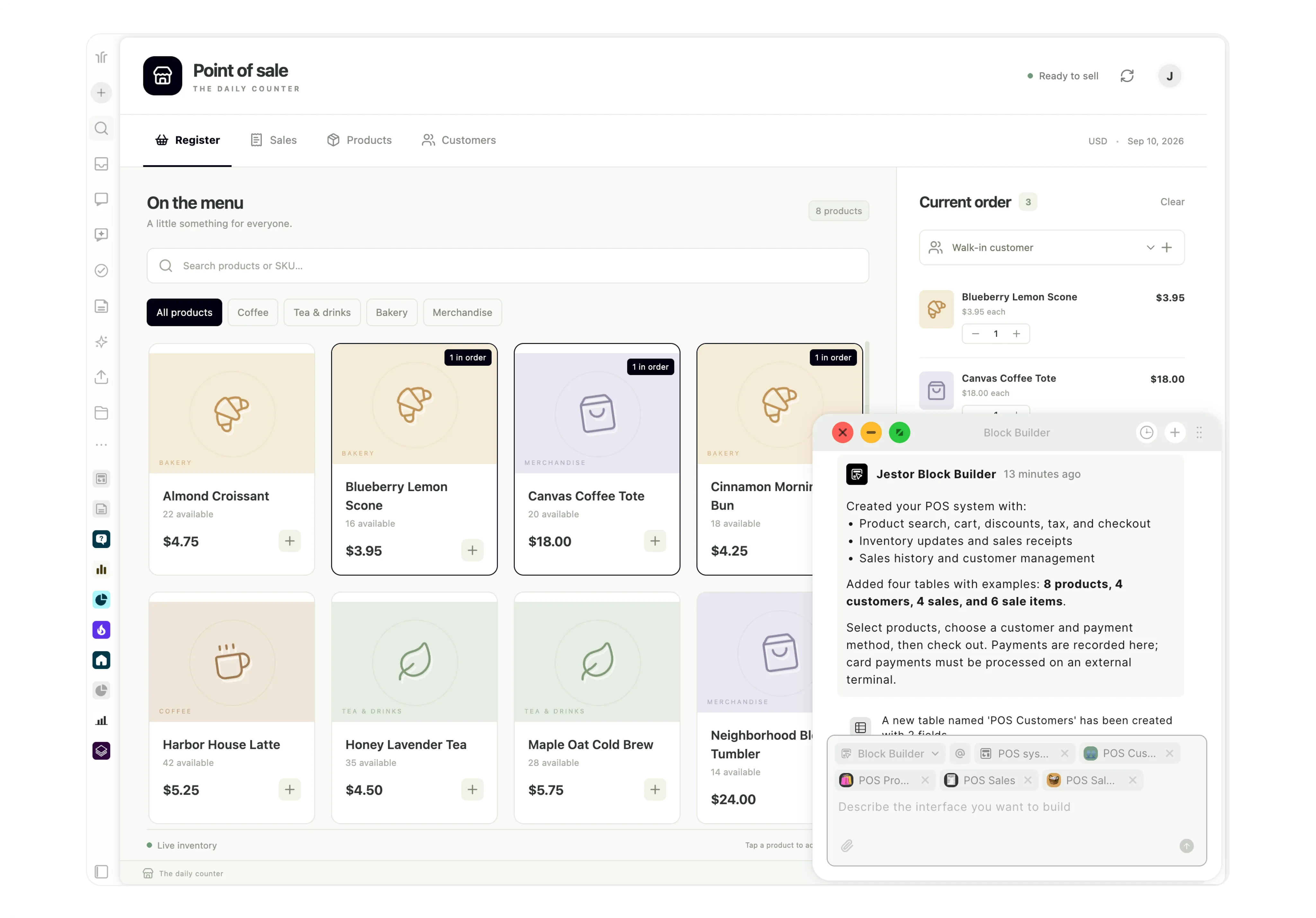
A point of sale app in Jestor, built with AI

What changes for your team

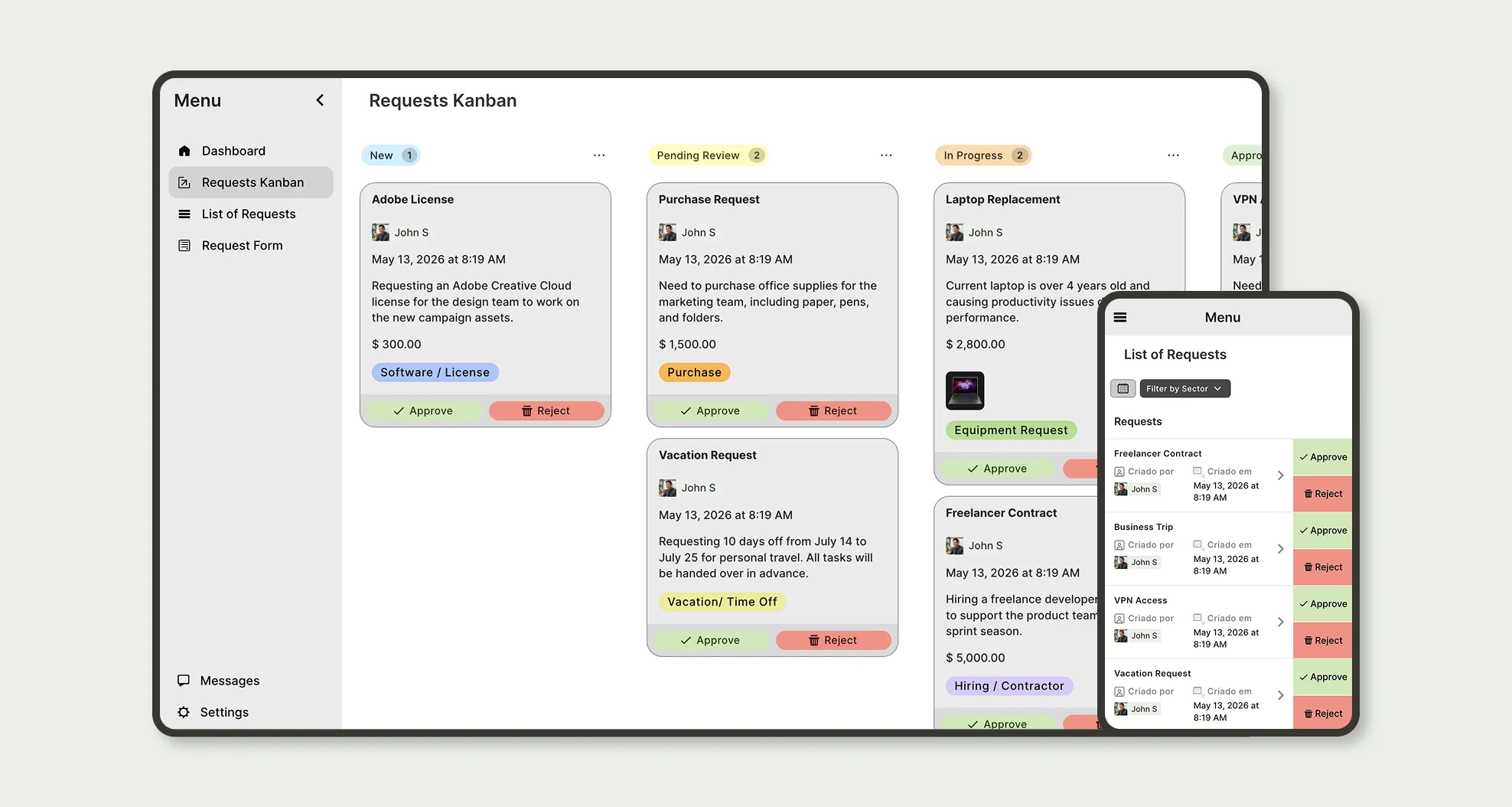
Apps that fit the process, not the other way around

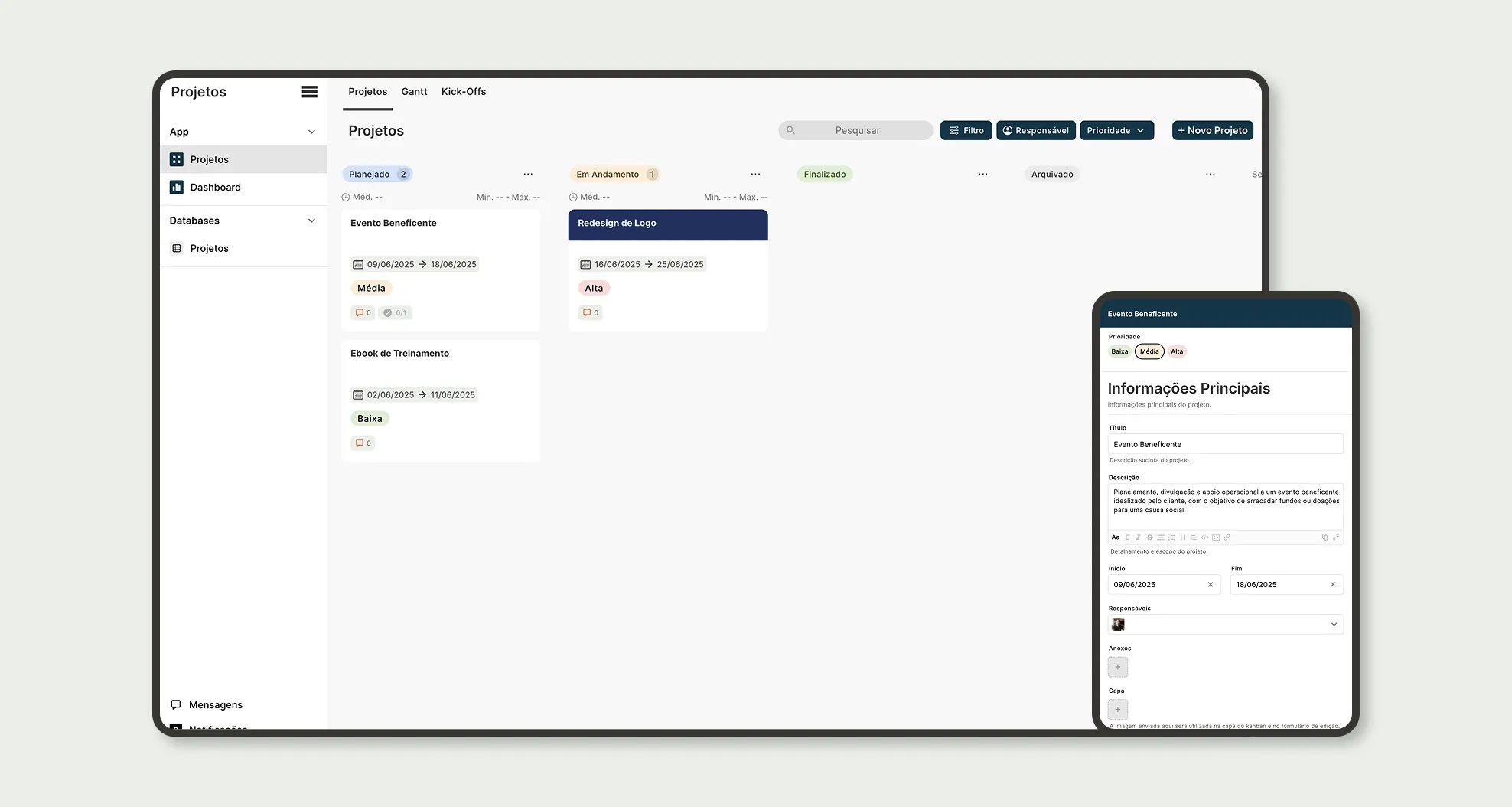
Off-the-shelf software makes your team bend to its fields and flows. Here the app is built from how you actually work: your stages, your fields, your approvals. Describe it, get it, change it when the process changes.
No more manual input

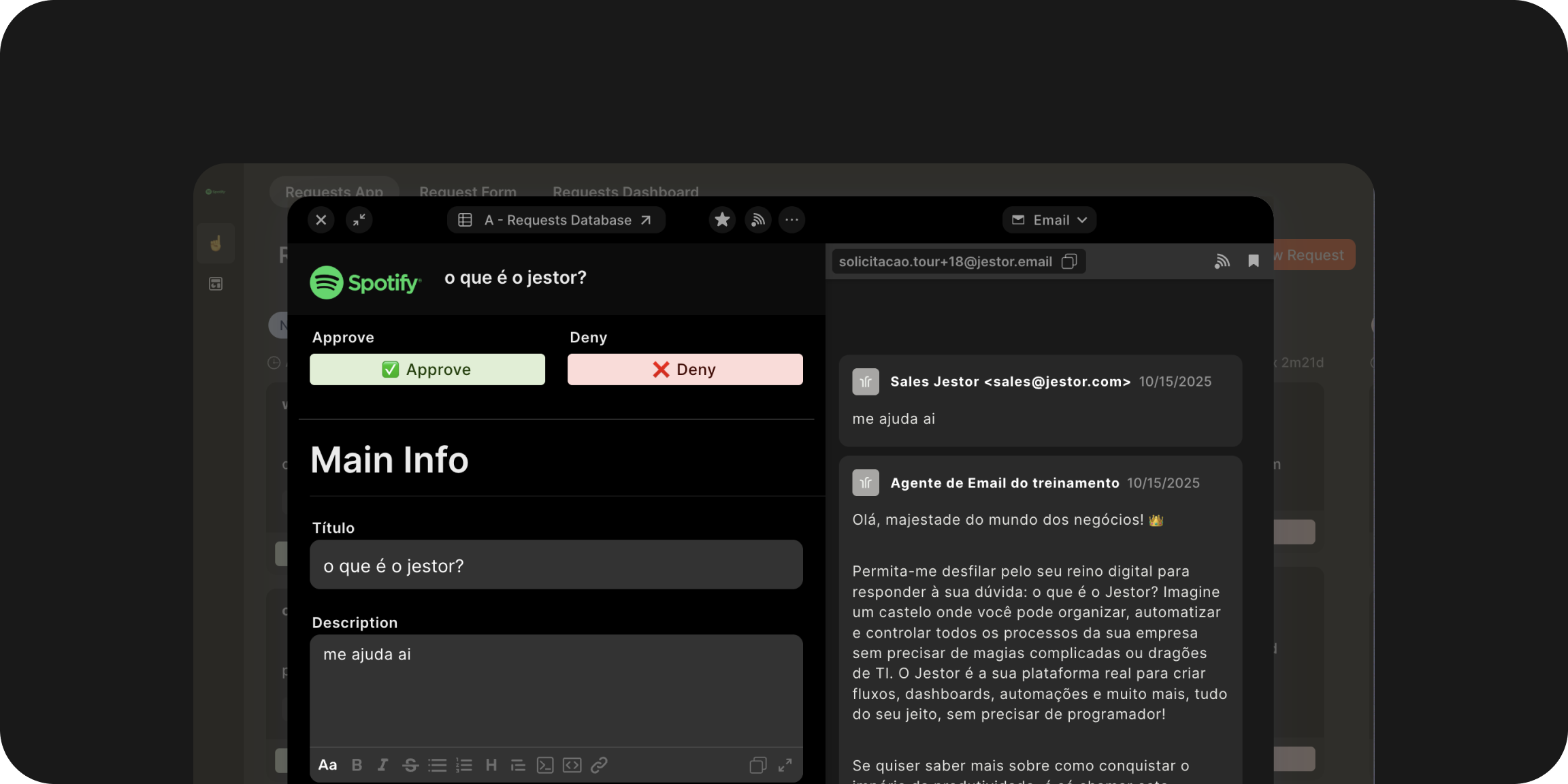
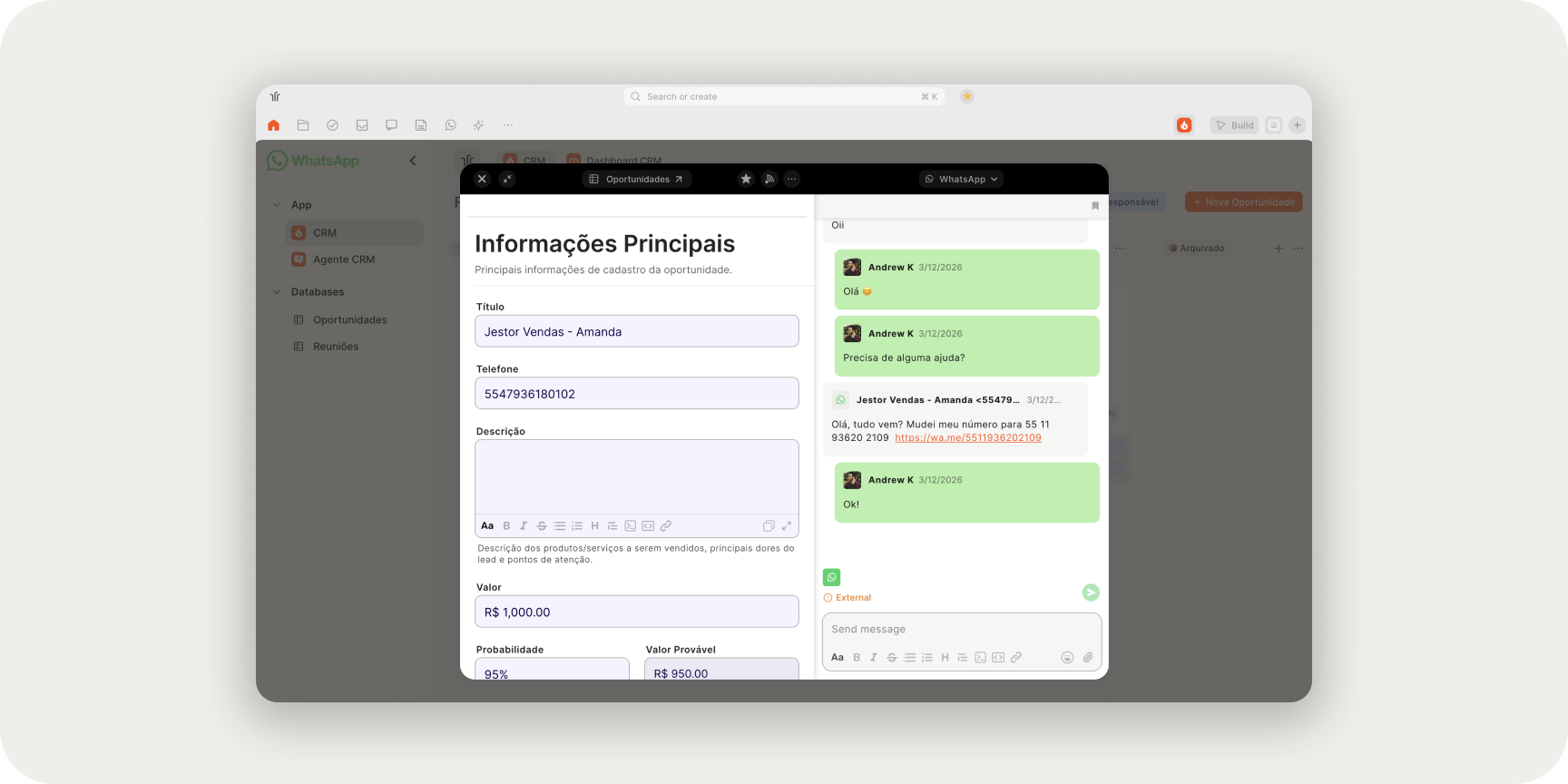
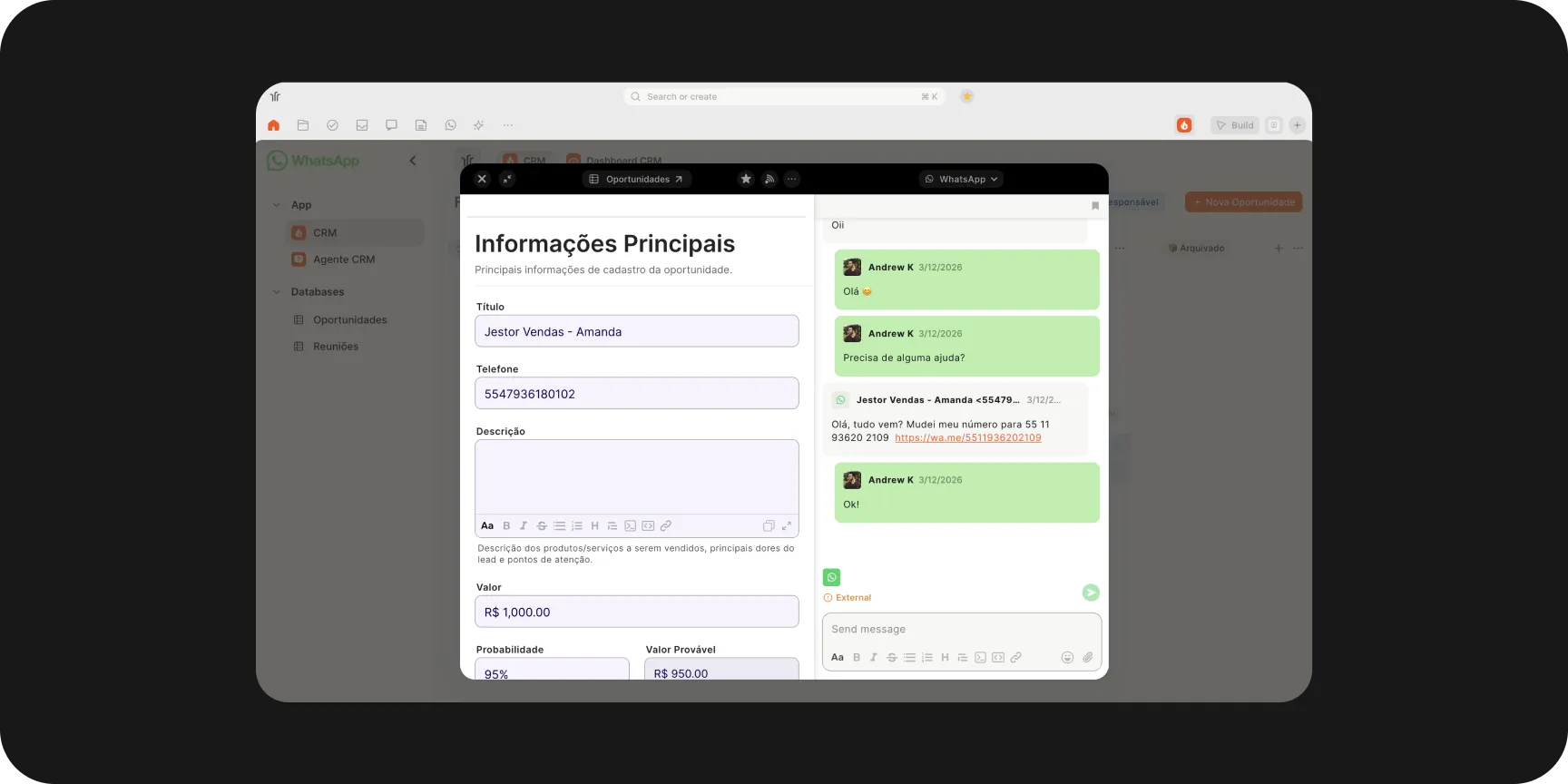
Invoices, receipts, and IDs get read on arrival. Email becomes tickets. WhatsApp messages become records. The data enters the system without anyone retyping it, and the original stays attached.

Answers without a report request

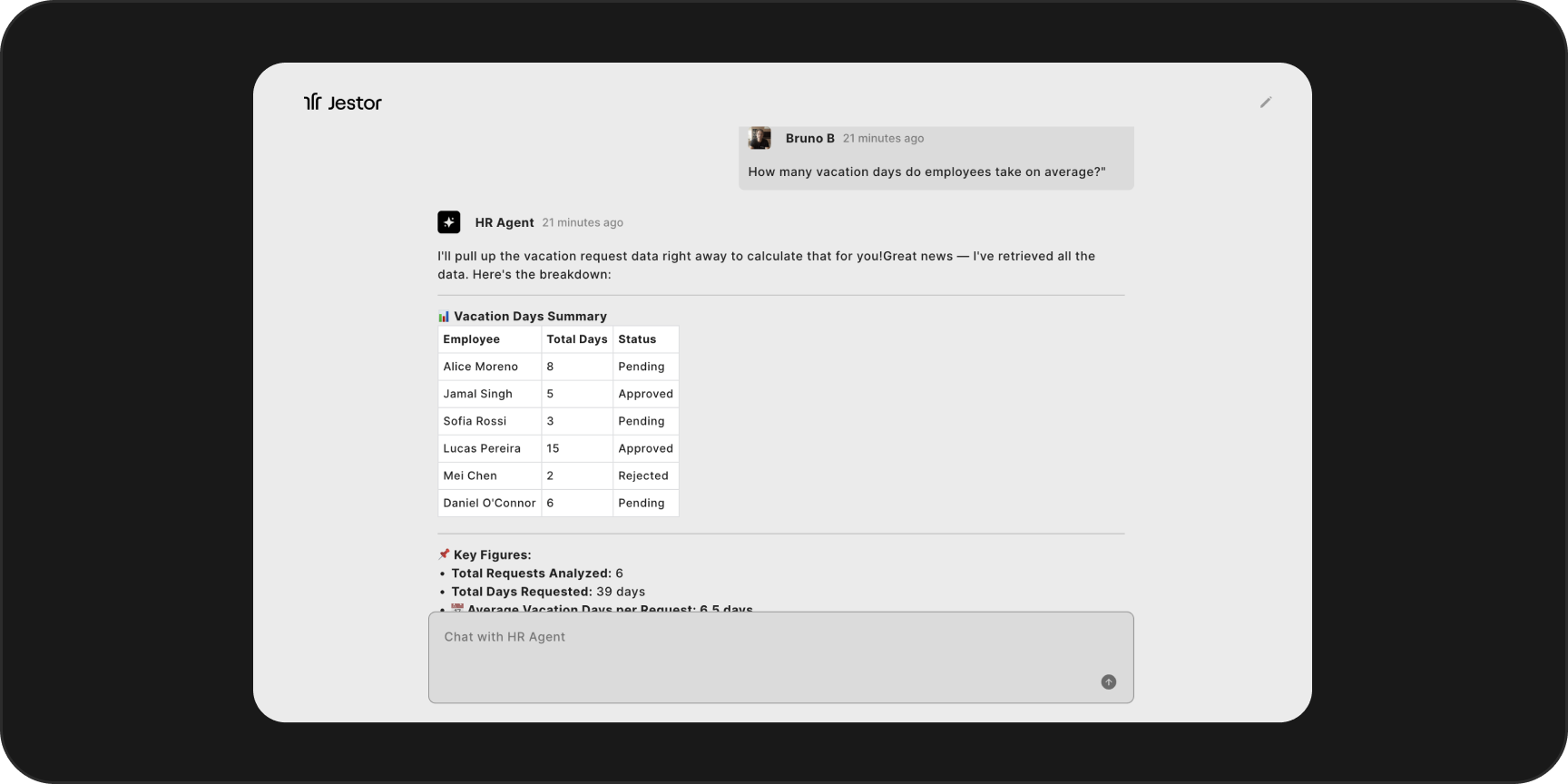
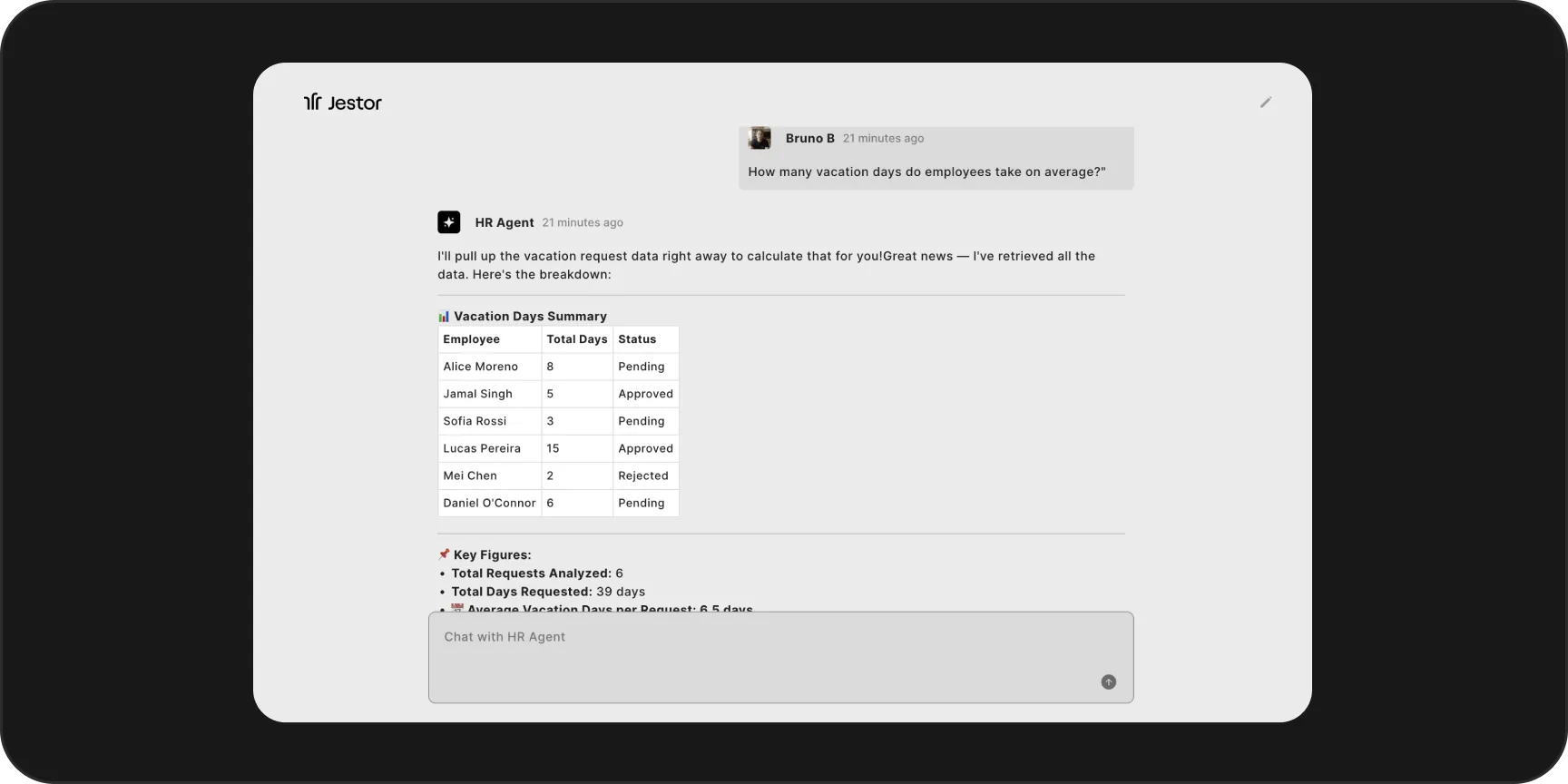
"Which invoices are overdue?" "Who hasn't submitted expenses?" Ask it in plain language and get the answer from your records. Managers stop waiting on someone to pull a spreadsheet.

Changes without a ticket

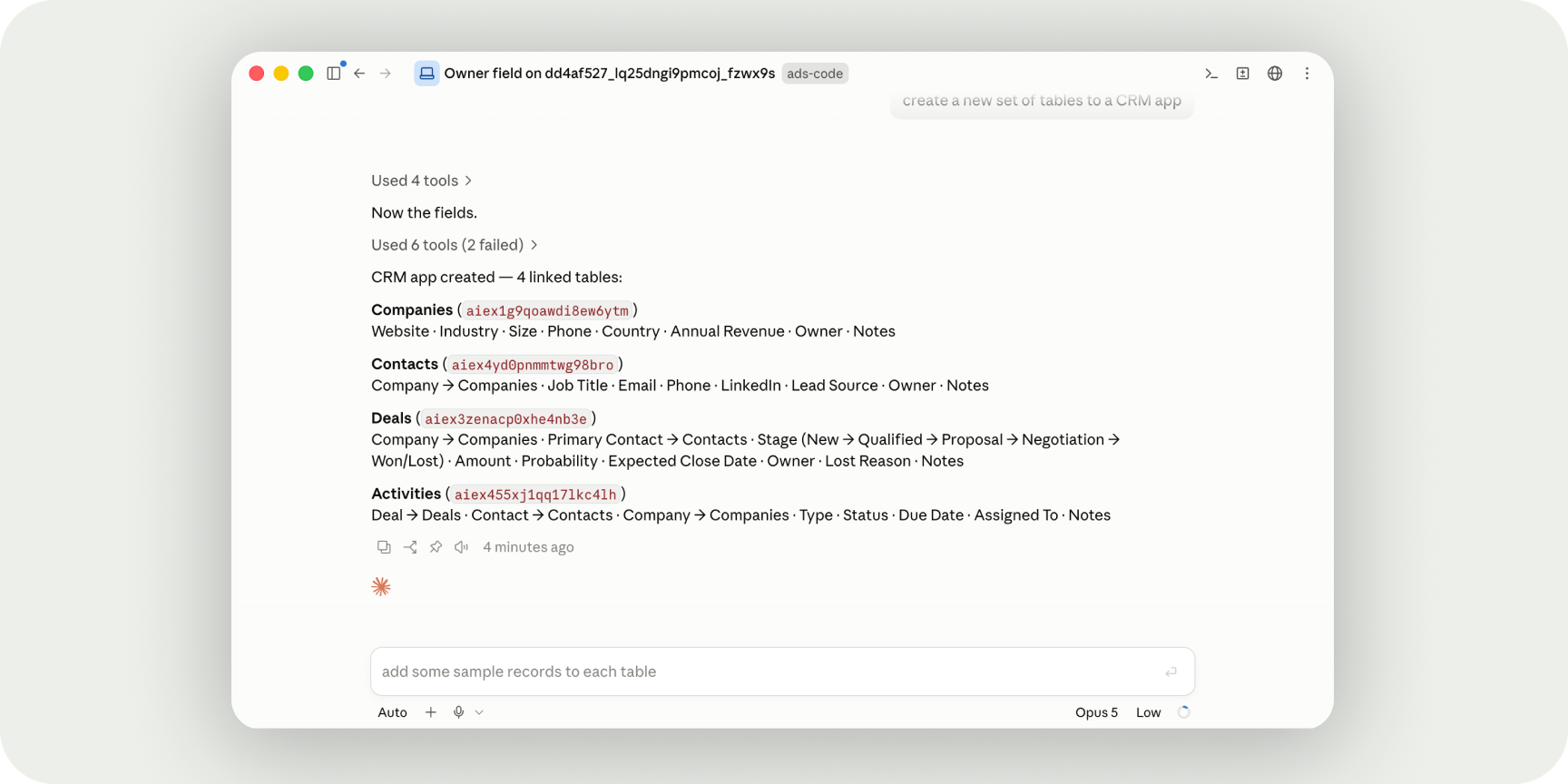
A new field, a new stage, a new automation. Say it in Claude, Cursor, or the prompt box and it's live. Small changes stop piling up in a backlog until someone has a free afternoon.

One system instead of five tools

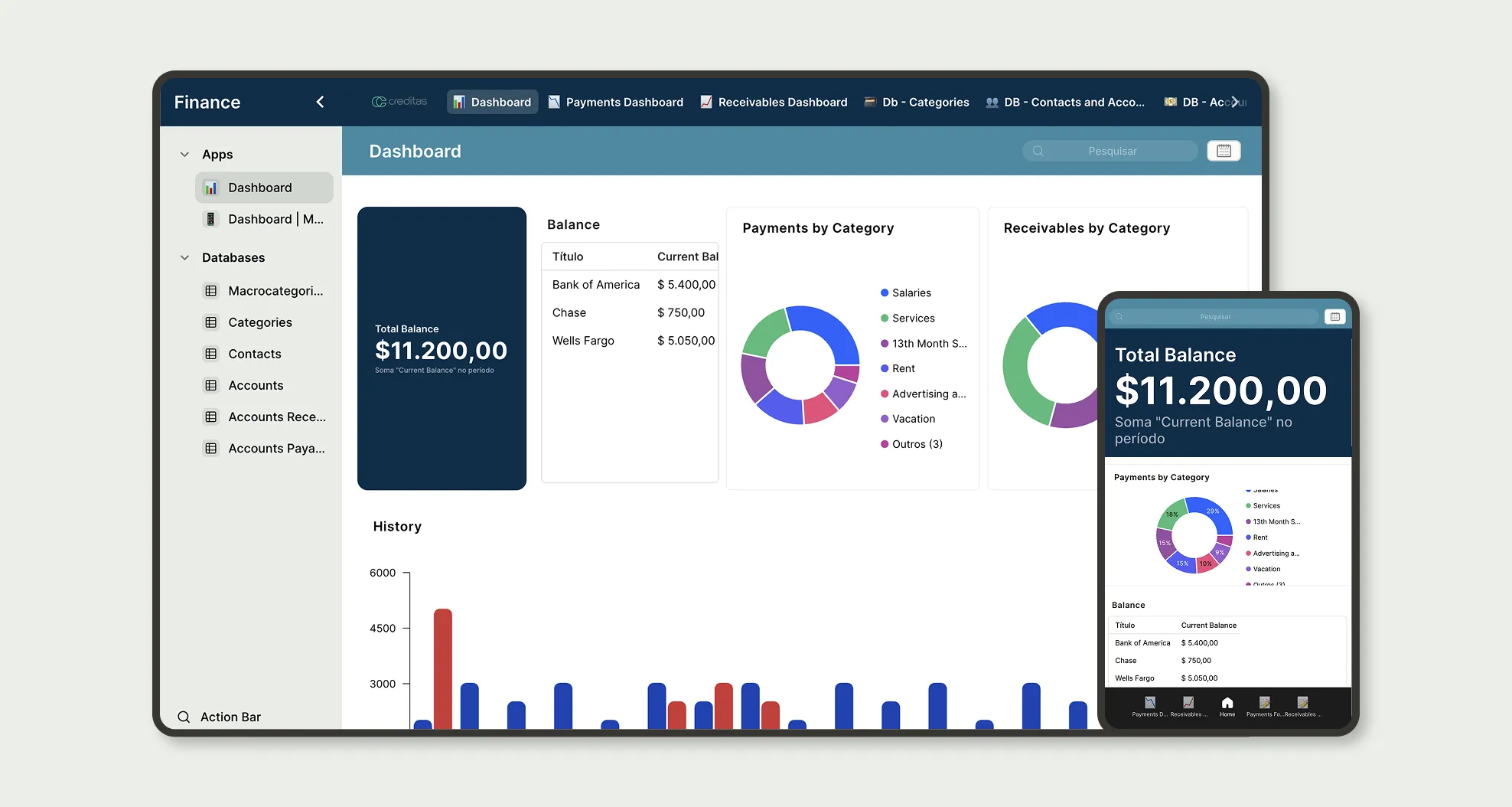
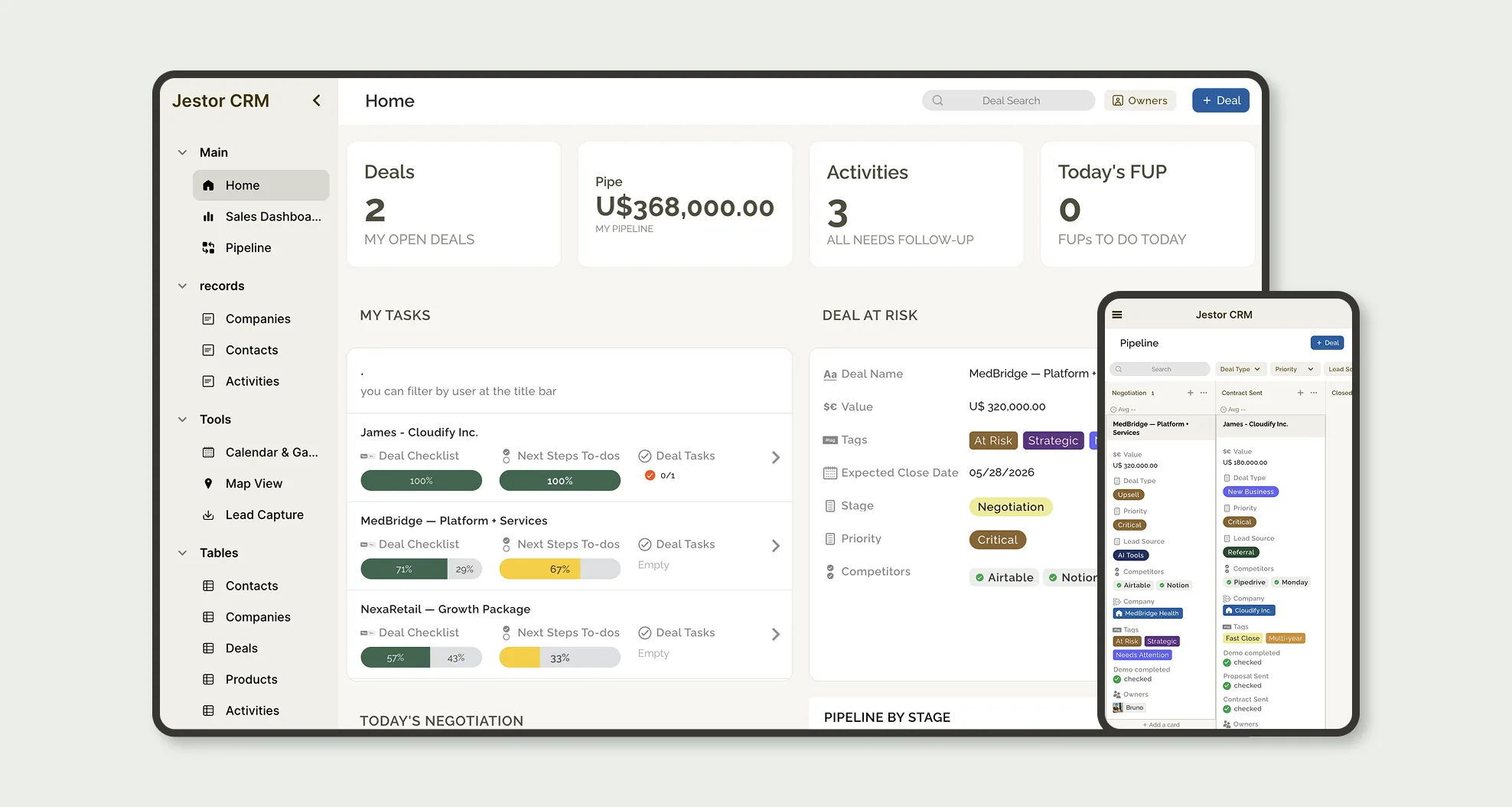
CRM, forms, approvals, docs, and dashboards in the same place, on the same data. No more copying a lead from the inbox to the CRM to the spreadsheet.

The right people see the right things

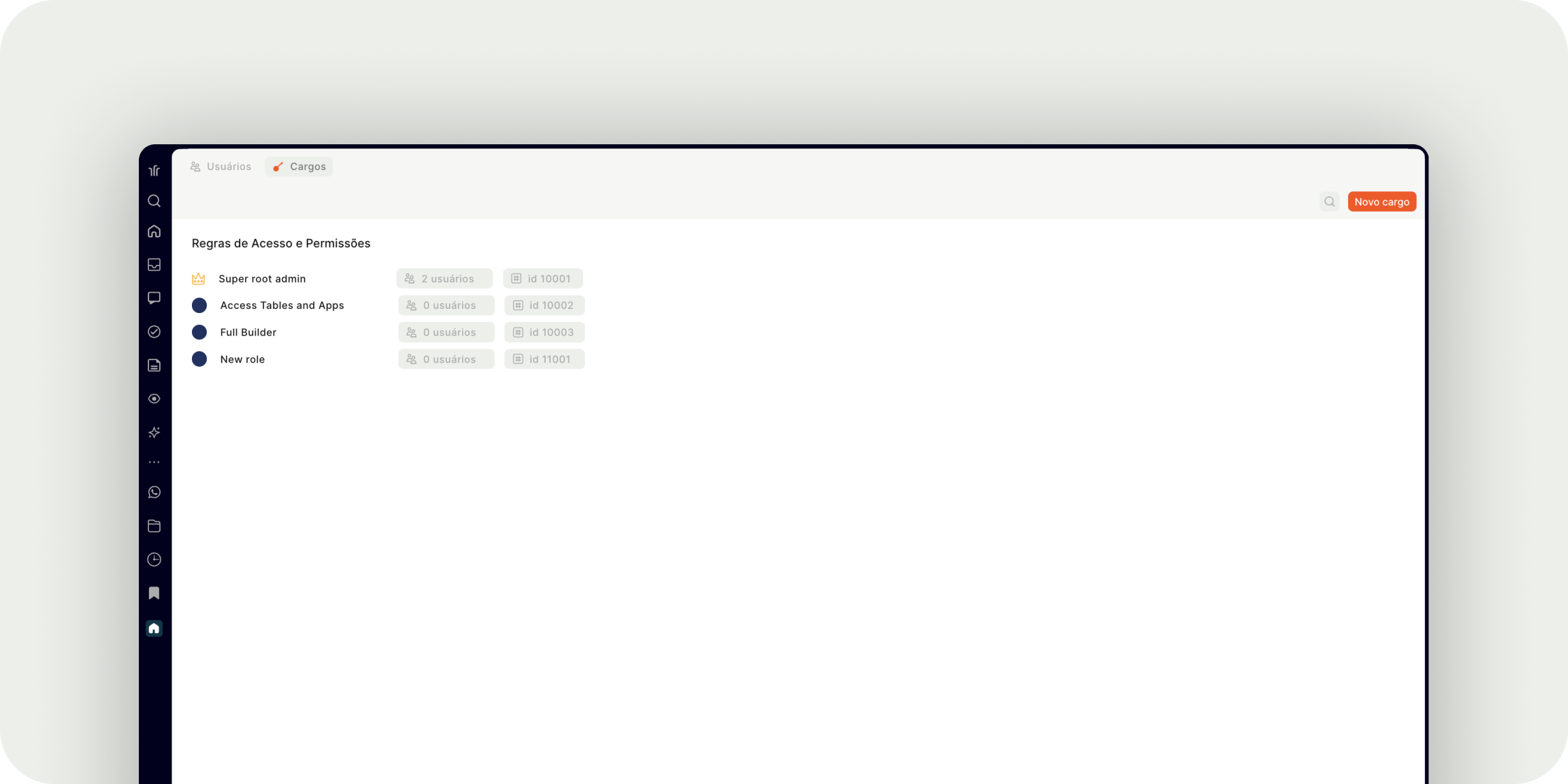
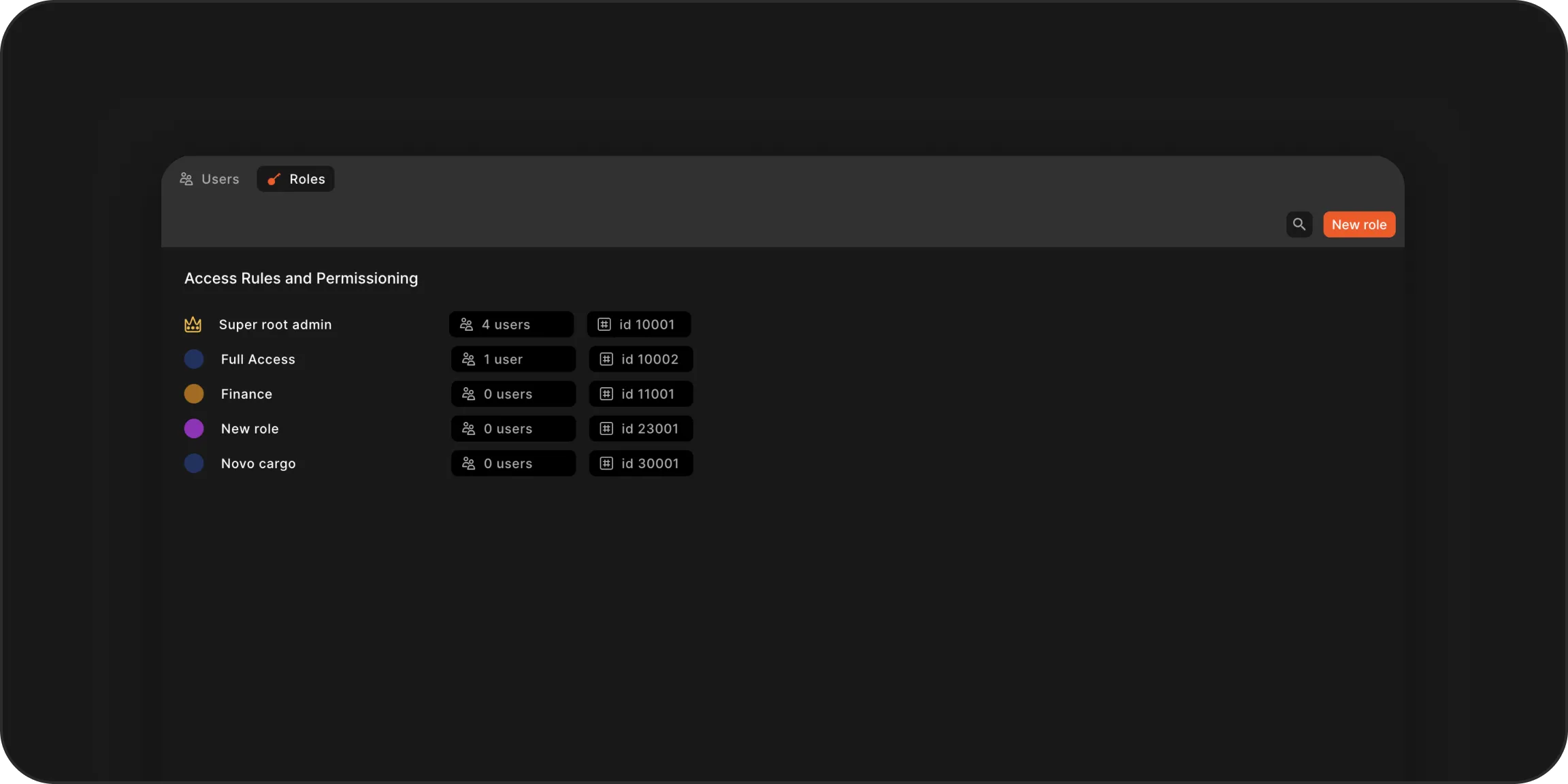
Permissions by role, table, and field, applied to humans and AI alike. Finance sees bank details, support doesn't, and nobody has to remember to lock a column.

Other tools give you code. Jestor gives you a system.

Other tools turn a prompt into a codebase. Then the codebase is yours: the database, the auth, the permissions, the backups, the bugs. Jestor turns a prompt into an app on a platform that already has all of that.

What you get Jestor Other tool
Tables, fields, views, and automations Changes are edits, not rewrites. Generate code. Every change is a new generation and a new chance to break something.
Database, roles, and field-level permissions Already there. The AI works inside them. Wire up a database, auth, and permissions. Or the AI does, its way.
Security SOC 2, audited annually, same perimeter for AI and humans. Live with whatever the generated code happens to do.
After ten prompts Ten tables that a builder can open and read. One prompt gets you a demo. Ten prompts get you a codebase nobody understands.
When it breaks A senior Jestor builder is on it. Or you ask the AI to fix the field, not the code. You're the developer now.

Build fast. Stay on something built to last.

Why build on Jestor instead

No slop in production

The AI can't invent a table structure, a permission model, or an auth flow. It uses the ones that exist. What it builds is consistent with what your team already runs.

One version of the truth

Every app, agent, and MCP client writes to the same database. No sync jobs, no "which one is right", no CSV exports to reconcile.

Nothing to maintain

No deploys, no dependencies, no server. Infra, security, and backups are ours. You keep the app, we keep it running.

Fast without the cleanup

Build in minutes from Claude, Cursor, or a prompt. Then keep it, change it, and hand it to a team of 200 without rebuilding it properly first.

Get a demo